Wide variety of simulations and virtual labs, covering biology, chemistry, physics and more. Curated by LabXchange.
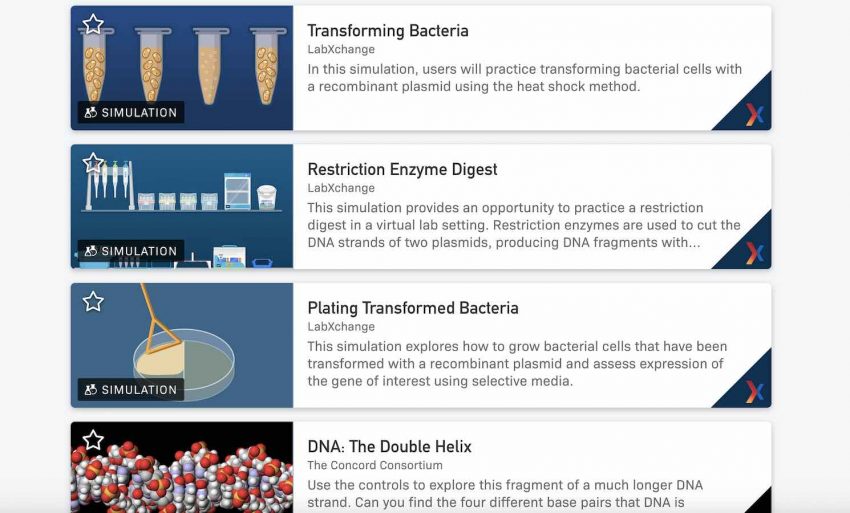
a list of interesting links
Wide variety of simulations and virtual labs, covering biology, chemistry, physics and more. Curated by LabXchange.
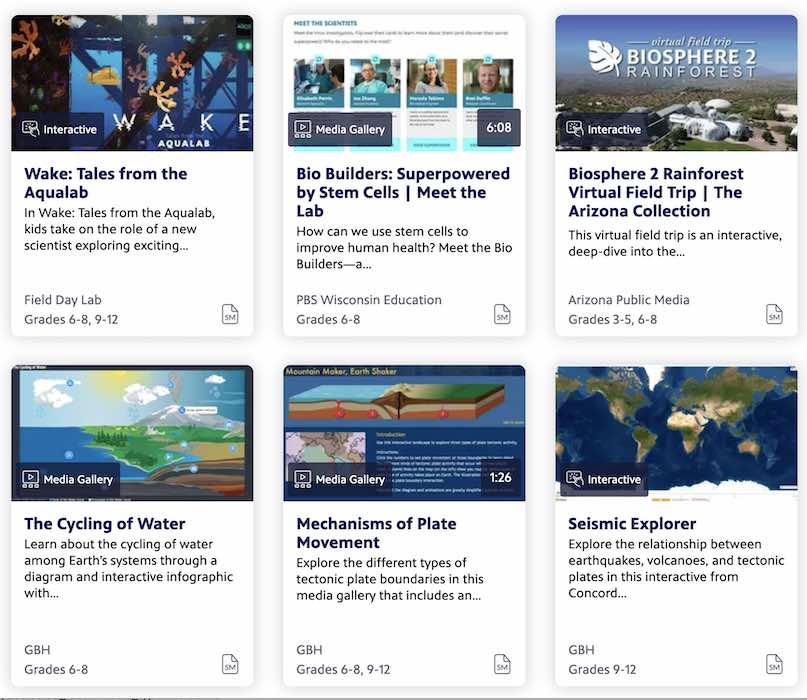
Collection of various science learning resources hosted by PBS LearningMedia. Covers topics such as physics, biology, and geology.
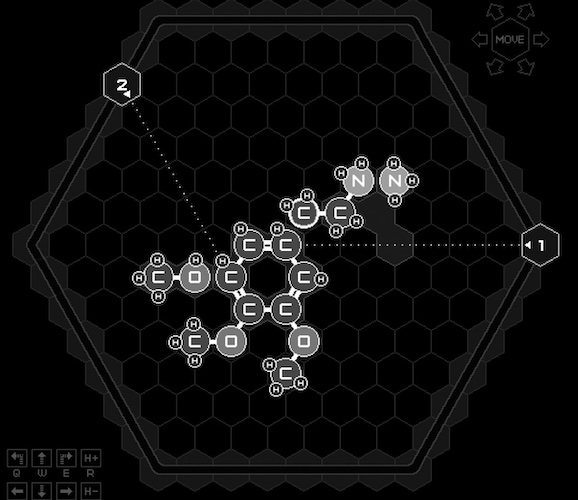
A complicated puzzle game where you’re building large molecules. Created by Zachtronics.
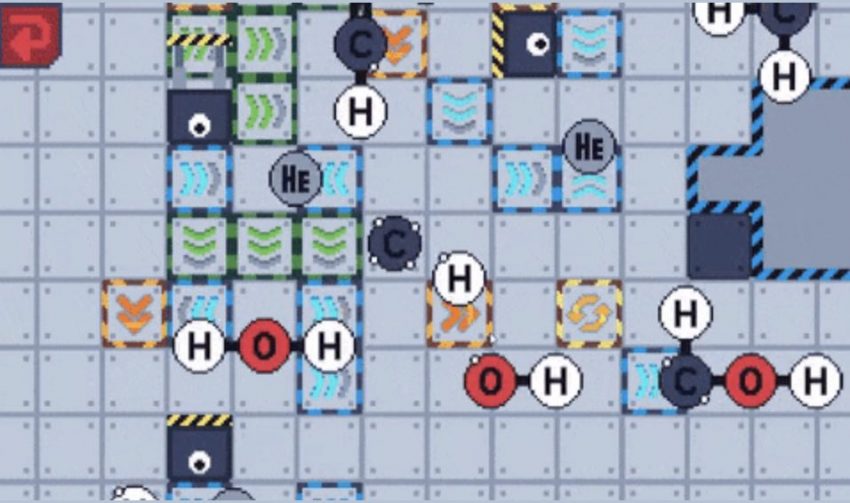
Chemistry puzzle game about lining up molecules correctly by placing certain tiles around a factory. Built by NoNotCar.

A simulation of falling sand and so much more, a surprising amount of physics built into this toy. Created by the R74n Collective.
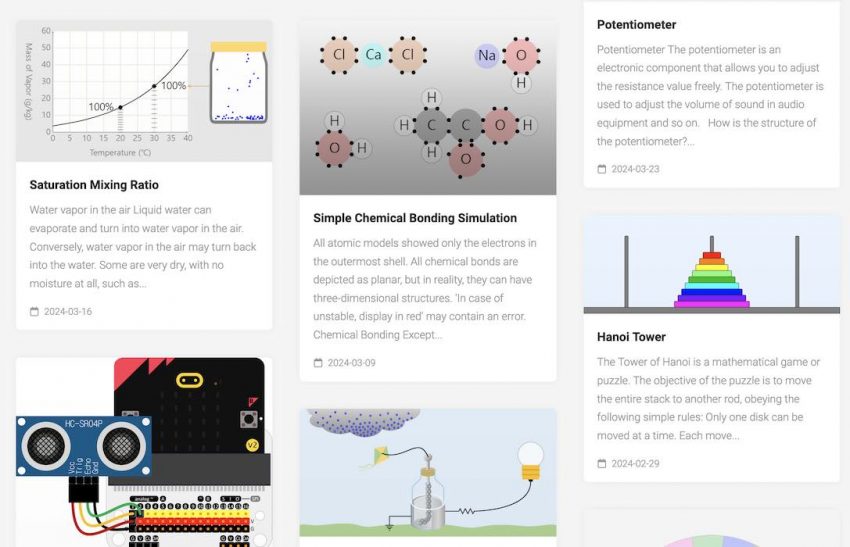
Just an amazing trove of science simulations built by middle school teacher, DJ Lee. I’m amazed at how much is covered here.
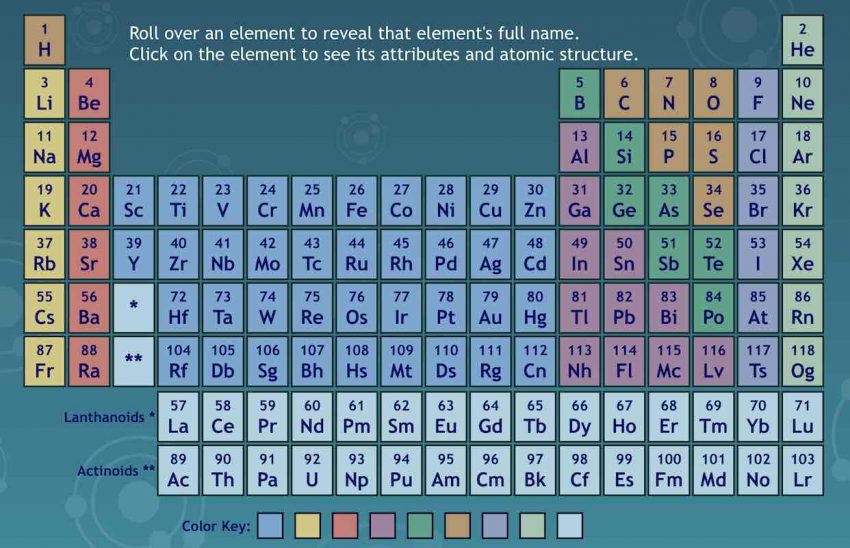
An interactive periodic table by PBS media, which includes a little mystery game to match elements to their descriptions.
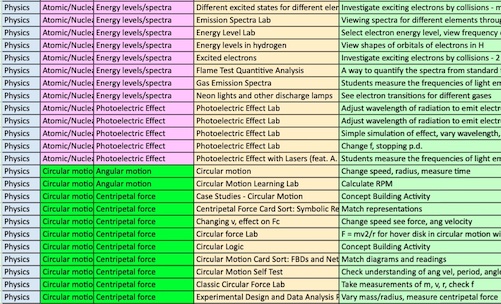
A spreadsheet pulled together for teachers of a categorized list of hundreds (wait, thousands!) of simulations you can find online, sorted by topic. An incredible resource organized by Helen Reynolds.
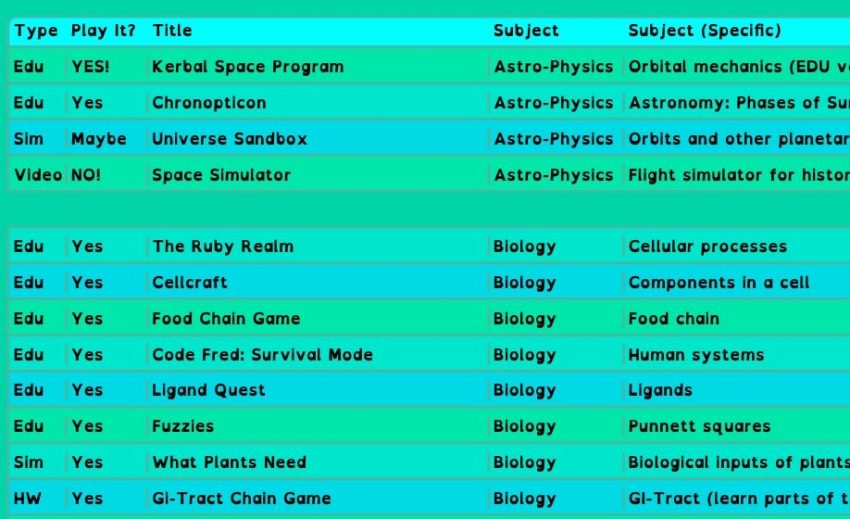
List of science games and interactives, pulled together by the SyllabusGames YouTube channel, in association with this video.
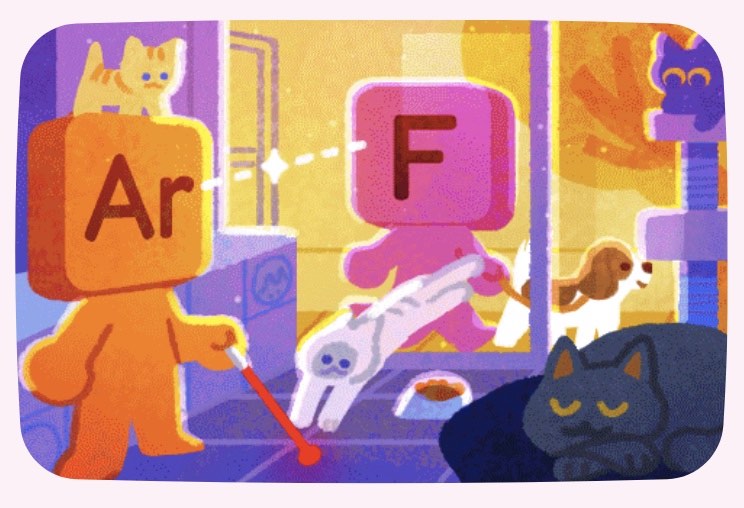
Fun google doodle where you match atomic elements up on dates, and their level of ‘attraction’ is based on the atomic attraction those elements would feel.